Serving Kochi, Ernakulam & Thrissur and surrounding areas
LDPE, HDPE, geotextile & drain cell solutions

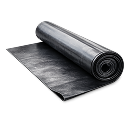
HDPE Sheets & LDPE Sheets – 500 Micron

A practical range of LDPE and HDPE sheets, geomembranes, geotextile fabrics and PVC dimple board / drain cell for damp proofing, curing, protective lining, drainage, separation and soil-stabilisation works.

  • LDPE and HDPE sheets for construction protection
  • Geotextile fabrics – 120, 150, 220 and 300 gsm stocked grades
  • PVC dimple board / drain cell, 30 mm height, 400 gsm
  • Solutions for separation, drainage and soil stabilisation
  • Guidance for thickness, GSM, roll width and quantity
Thickness, GSM, roll size and availability are confirmed with your quotation.
LDPE HDPE Geomembrane Geotextile Drain cell
  • Multiple material options LDPE, HDPE, geomembrane, geotextile and drain cell products for varied site needs
  • Specification guidance Support based on application, load, duration, GSM and thickness requirement
  • Project delivery Bulk and contractor supply across Kochi, Ernakulam and Thrissur
Now in stock

Drain cell & geotextile range

Two products supplied alongside our sheet and membrane range — commonly specified together in podium, terrace and planter drainage build-ups.

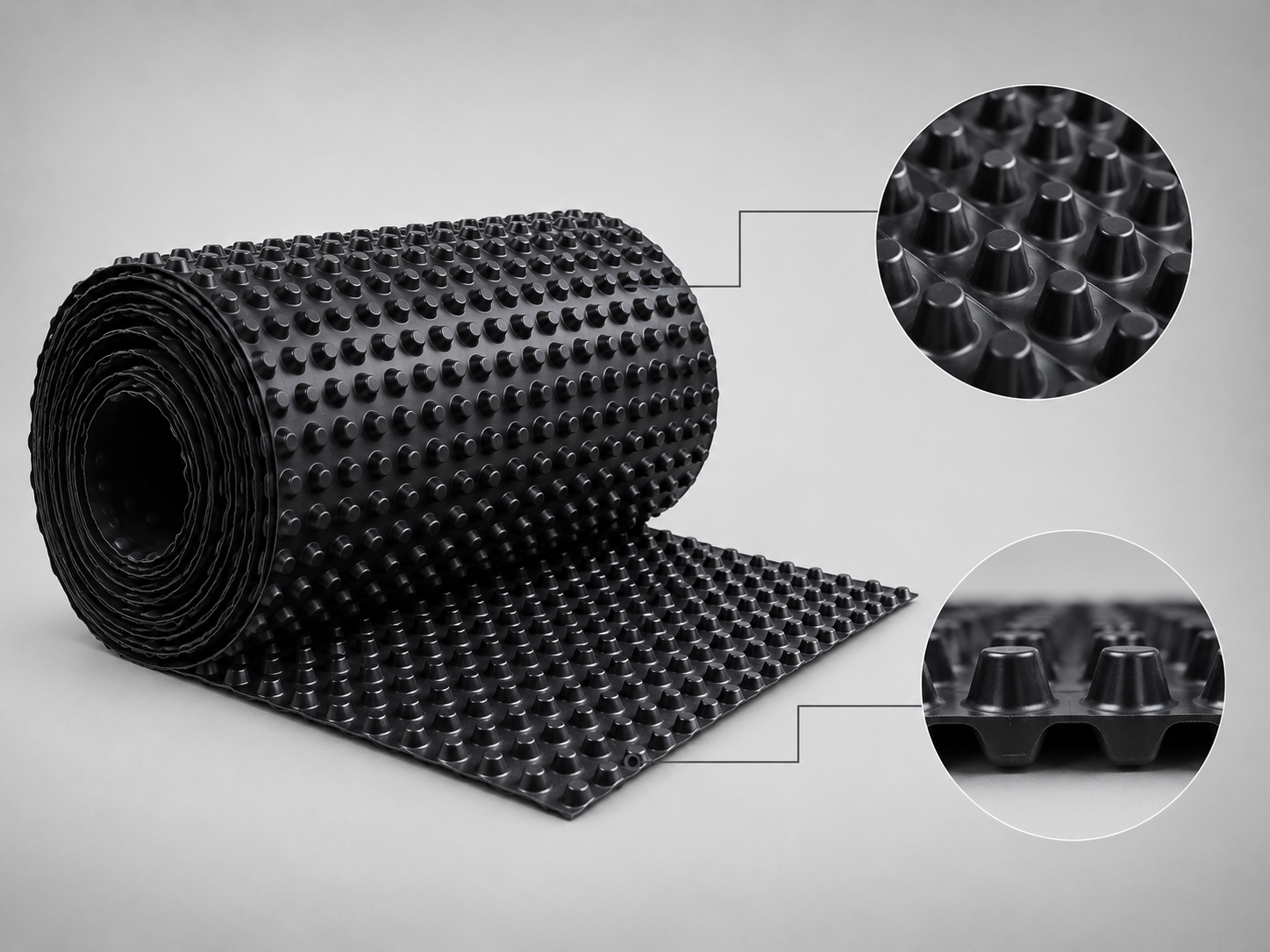
PVC Drain Cell 30mm PVC drain cell dimple board 30mm supplied by Anton Traders
Drainage layer system

PVC Dimple Board / Drain Cell – 30 mm

A dimpled PVC sheet that creates a continuous drainage void above the waterproofing membrane, allowing water to move freely to the outlet while protecting the membrane from the layers above.

  • 30 mm height
  • 400 gsm
  • PVC
  • Drainage void
  • Drainage layer for green roofs, planters and podium decks
  • Protects the waterproofing membrane during backfilling
  • Normally laid with a geotextile filter fabric over the dimples
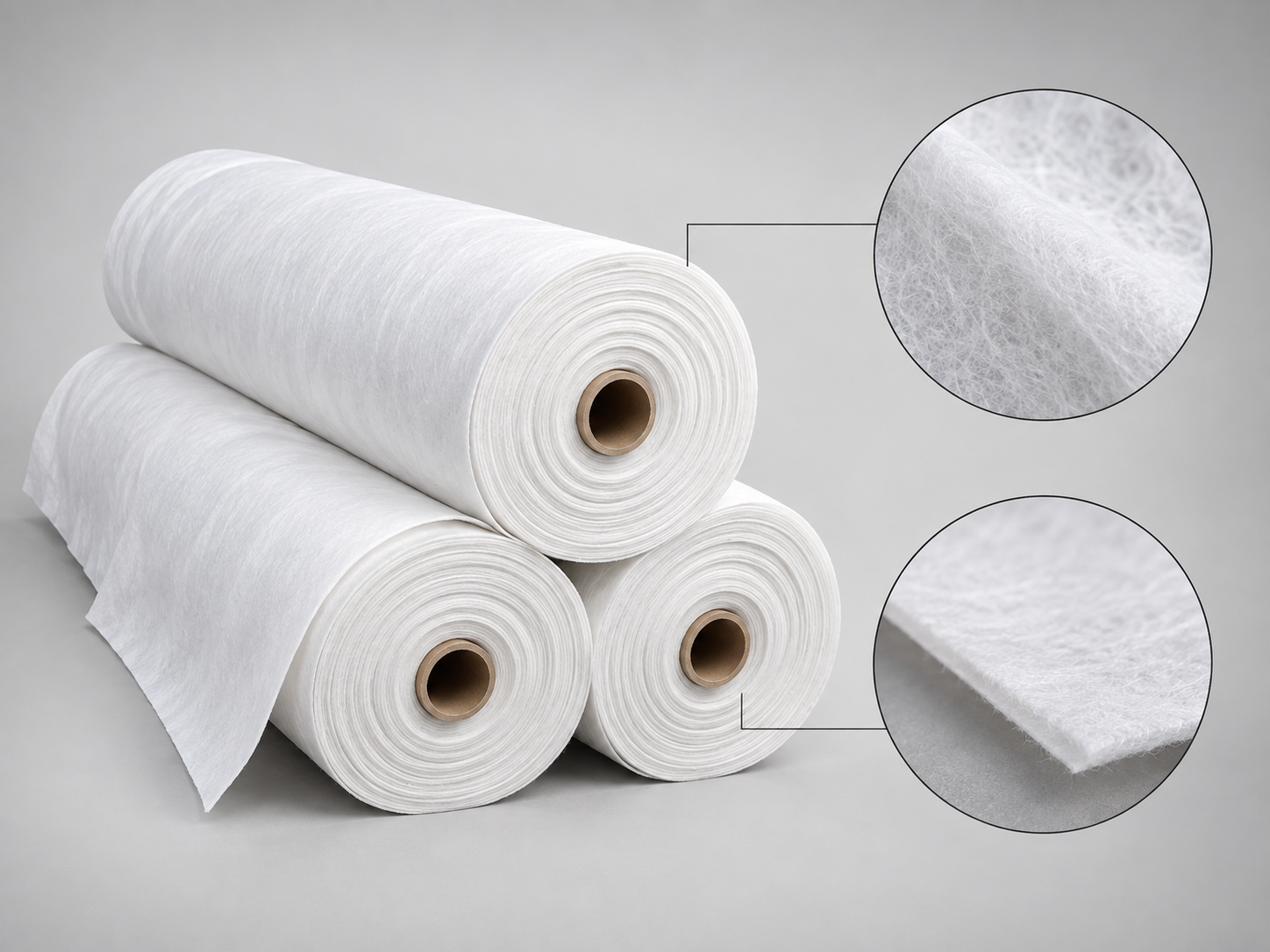
Geotextile roll, 300gsm Geotextile fabric roll 300 gsm supplied by Anton Traders
Stocked grades

Geotextile Fabric – 120 to 300 gsm

Non-woven geotextile fabric held in four regular grades. Lighter grades suit filtration and separation duties; heavier grades are used where puncture resistance and load distribution matter.

  • 120 gsm
  • 150 gsm
  • 220 gsm
  • 300 gsm
  • 120–150 gsm – separation and filtration under aggregate layers
  • 220 gsm – protection and drainage filter applications
  • 300 gsm – heavy-duty protection and subgrade stabilisation
Technical overview

Typical specification

Final selection depends on whether the material is used as a moisture barrier, curing cover, lining, separator, filter, drainage layer or reinforcement layer.

Sheet material LDPE

Flexible polyethylene sheeting for temporary protection, curing and damp-proof applications.

Heavy-duty material HDPE

Tougher polyethylene sheet for lining, protection and more demanding site conditions.

Barrier system Geomembrane

Low-permeability sheet used where continuous liquid or moisture containment is required.

Fabric system Geotextile

Permeable fabric used for separation, filtration, drainage and soil stabilisation.

Drainage board PVC dimple board

Dimpled drain cell sheet forming a drainage void above the waterproofing layer.

Drain cell format 30 mm / 400 gsm

Stocked dimple height of 30 mm at 400 gsm, supplied in sheet or roll form.

Typical GSM range 50–500 GSM

Light to heavy geotextile grades selected according to load and application.

Stocked geotextile grades 120, 150, 220 & 300 gsm

Regular stock grades held for separation, filtration, drainage and protection layers.

Sheet thickness Project dependent

Thickness is selected based on handling, load, duration and protection requirements.

Roll format Standard rolls

Roll width and length vary by product and may be cut to project requirement.

Joining method Overlap or welding

Method depends on sheet type, project detail and continuity requirement.

Supply basis Area & application

Quantity is calculated from total area, overlap, wastage and roll dimensions.

Selection tip: Share the application, total area, expected load, exposure period and whether drainage, separation or moisture resistance is required.

Where it is used

Common applications

Suitable for building, infrastructure, landscaping and general construction-site protection.

01

Under-slab damp proofing

Sheet barrier below slabs to reduce moisture movement from the ground.

02

Concrete curing cover

Temporary sheeting helps retain moisture during fresh-concrete curing.

03

Protective lining

Sheet protection for compatible tanks, pits, surfaces and construction zones.

04

Soil separation

Geotextile separates dissimilar soil layers and helps reduce intermixing.

05

Soil stabilisation

Fabric reinforcement for access roads, embankments and weak subgrades.

06

Drainage layers

Geotextile supports filtration while allowing water movement.

07

Green roof drainage

Drain cell forms the drainage void below the growing medium on planted roofs.

08

Planters & landscaping

Drainage board prevents water logging in raised planters and tree pits.

09

Podium deck build-ups

Drain cell with geotextile filter above the podium waterproofing layer.

10

Road subgrades

Separation and reinforcement beneath aggregate and pavement layers.

11

Landscape works

Fabric separation, filtration and weed-control support in selected applications.

12

General site protection

Temporary covering for materials, floors, equipment and work areas.

Reliable protection and separation

Why choose the correct sheet or membrane?

Correct specification improves moisture resistance, layer separation, filtration, drainage performance and protection during construction.

Discuss your requirement
01

Moisture control

Suitable sheets help reduce ground moisture reaching concrete elements.

02

Surface protection

Protects floors, materials and work areas during construction activity.

03

Layer separation

Geotextile keeps soil and aggregate layers from mixing.

04

Drainage support

Drain cell creates the void and geotextile filters it, so water reaches the outlet.

05

Load distribution

Heavy geotextiles improve stability over weak or variable subgrades.

06

Multiple grade options

Thickness and GSM options suit temporary and permanent requirements.

Customer feedback

Trusted for sheet and membrane supply

4.9
★★★★★ Contractor-focused service
“The team helped us choose the suitable HDPE sheet thickness for our project requirement.”
RN
Rahul Nair Civil contractor
“Quick quotation and clear guidance on geotextile GSM and roll quantity.”
AM
Anoop Mathew Builder
“Good support in estimating the sheet area, overlap and delivery requirement.”
SK
Sajith Kumar Site engineer
Frequently asked questions

Before you place an order

What is the difference between LDPE and HDPE sheets?

LDPE is generally more flexible, while HDPE is usually stiffer and more resistant to puncture and demanding site conditions.

What is geotextile fabric used for?

Geotextile is used for separation, filtration, drainage, protection and soil-stabilisation applications.

Which geotextile grades do you keep in stock?

120, 150, 220 and 300 gsm are the regular stocked grades. Other grades within the 50–500 GSM range can be arranged against project requirement.

What is a PVC dimple board or drain cell?

It is a dimpled PVC sheet laid above the waterproofing layer. The dimples create a continuous void that carries water to the outlet while protecting the membrane from the soil or screed above.

What size drain cell is available?

The stocked size is 30 mm dimple height at 400 gsm. Share the deck area and build-up detail for quantity and delivery confirmation.

Is geotextile used together with the drain cell?

Usually yes. A geotextile filter fabric is laid over the dimples so that soil particles do not wash into and block the drainage void.

How do I choose the correct GSM?

GSM depends on application, soil condition, expected load, filtration need and project specification.

Can HDPE sheets be used below concrete slabs?

Suitable HDPE or polyethylene sheets may be used as damp-proof layers, subject to project detailing and required thickness.

Can these sheets be used for concrete curing?

Polyethylene sheeting may be used as a curing cover to help reduce moisture loss from fresh concrete.

How are geomembrane sheets joined?

Depending on material and project requirement, sheets may be overlapped, taped or heat welded by trained installers.

How is roll quantity calculated?

Quantity is calculated from total area, roll dimensions, overlap, layout and expected wastage.

Can geotextile be used under roads?

Yes. Suitable geotextile grades are used for separation and reinforcement beneath access roads and pavement layers.

Can you help confirm the thickness or GSM?

Yes. Share the application, area, load, soil condition and duration of use for product guidance.

Is bulk delivery available?

Bulk and contractor supply is available across Kochi, Ernakulam, Thrissur and surrounding project locations, subject to stock and delivery planning.